
What Is Soft Touch Plastic?
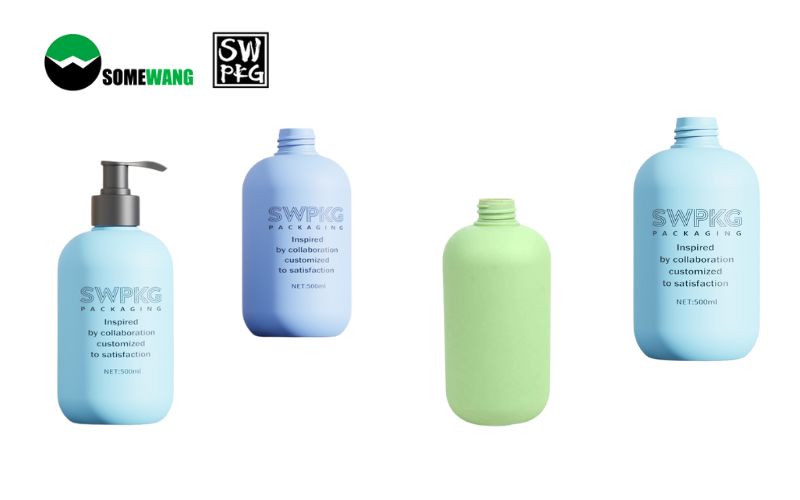
Soft touch plastic is a specially treated material that gives surfaces a velvety, smooth texture instead of the typical hard feel of regular plastic.
This finish creates a pleasant tactile experience through special additives or coatings that change how the plastic feels in your hands.
Key Features of Soft Touch Plastic
Soft touch plastic are made from liquid plastic or synthetic rubber plus soft-touch additives. This gives it rubbery, silky, fabric-like texture.
The Practical Benefits are:
- Resists fingerprints, moisture which keeps products cleaner longer
- Protects against scratches, scuffs, and general wear and tear.
- Improves grip for handheld items.
- More hygienic than conventional plastic.
- Withstands prolonged stress without breaking down.
Popular Soft Touch Plastic Applications
- Consumer electronics and notebooks
- Packaging and stationery products: soft touch coatings are ussed on many high-end packaging products, especially in cosmetics and personal care items.
- Automotive interiors
Types of Soft Touch Coatings for Plastics
The main types include water-based systems, solvent-based options, and UV-cured formulations.
Soft-Touch Coating Technology Overview
Soft-touch coating is made from materials like liquid plastic or synthetic rubber.
The coating typically consists of specialized polymers combined with additives.
Most soft-touch coatings fall into two main categories: one-component and two-component systems. Two-component formulations often use hydroxyl soft polyester mixed with additives and solvents for enhanced durability.
These coatings bond to plastic substrates like ABS, PC, and polypropylene. The coating can be applied through different methods including spray application, liquid coating, or lamination.
Water-Based Coatings for Soft Touch
Water-based coating systems use water as the primary carrier instead of organic solvents.
They’re easier to clean up and require less ventilation equipment compared to solvent-based options.
They provide good durability and scratch resistance while maintaining the desired soft feel.
UV Curing and Dual Cure Methods
The benefits of UV-cured coatings include faster production speeds and lower energy costs.
UV systems also eliminate VOC emissions since the coating contains no solvents. Dual cure methods combine UV curing with moisture or thermal curing for added flexibility.
Manufacturing Techniques of Soft Touch Plastic
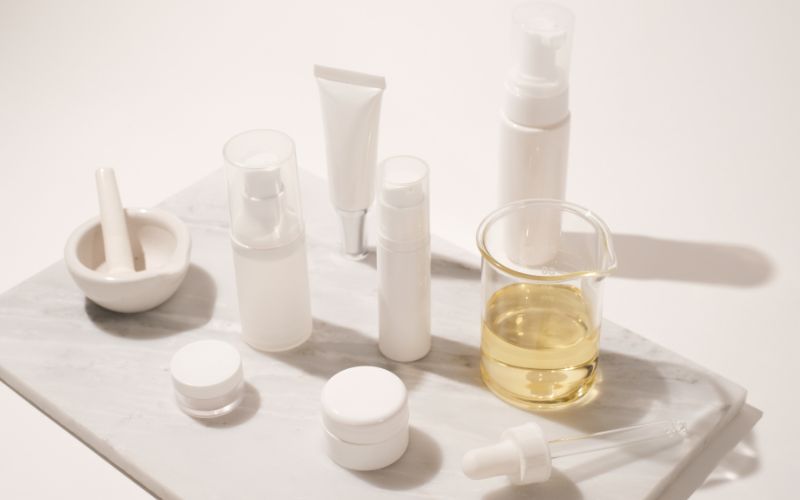
Three main manufacturing methods create soft touch plastic finishes: spray coating, co-extrusion, and in-mould matte processes.
Spray Coating Techniques
Spray coating applies a special matte coating to your plastic components after they’re molded which can apply it to almost any plastic material, including bottles, jars, caps, and closures of various sizes.
You can also tint the spray to match your brand’s specific color requirements.
This makes it perfect when you need custom colors or work with different materials. Want to bring your vision to life? Contact Somewang.
Co-Extrusion Process
Co-extrusion combines two plastic layers during the blow molding process itself. An interior PE layer provides structure while an exterior soft touch layer creates the matte finish you want.
The soft touch coating comes straight out of the mold without any extra steps.
This process works only for PE extrusion blow molded items like bottles and jars.
You’ll need to find manufacturers with special co-extrusion equipment on their production lines.
In-Mould Matte Finishes
In-mould matte uses a vapor honed tool surface inside the mold to create texture directly on your parts.
The finish isn’t as soft and rubbery as spray coating or co-extrusion, but it offers better durability. Once you apply this treatment to a mold, that tool can only make matte components.
This means you’ll usually need custom tooling rather than using standard stock molds.
Frequently Asked Questions
How can I find suppliers for soft touch plastics?
To find reliable suppliers for soft touch plastic cosmetic bottles, focus on specialized B2B platforms, industry directories, trade shows, and direct factory outreach.
Prioritize suppliers like somewang with ISO 9001/22716 certification, customization capabilities, and proven cosmetic packaging experience.
Why do some soft touch plastics become sticky over time and how can it be prevented?
Soft touch coatings break down when exposed to oils, UV light, and humidity over extended periods. The polymer structure degrades, causing the surface to become tacky or sticky to touch.