
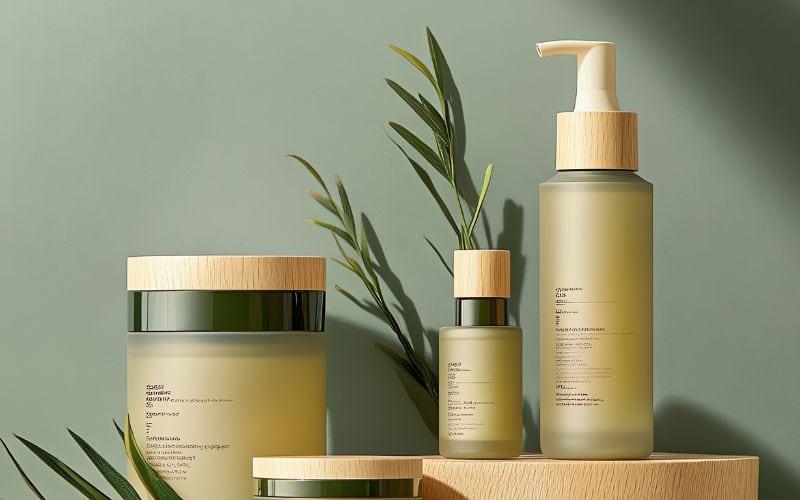
As the transition from 2025 to 2026 unfolds, the cosmetics industry is witnessing a profound evolution in packaging design—one where aesthetics, functionality, and sustainability converge to meet the demands of consumers.
In 2026, cosmetic packaging trends are shifting decisively toward solutions that marry visual innovation with eco-consciousness, with sustainable packaging and eco-friendly practices taking center stage alongside design aesthetics that resonate on sensory and emotional levels.
Somewang has curated the key 2026 cosmetic packaging trends—offering insights and tailored solutions to turn these trends into competitive advantages.
If you need to enhance your brand influence through customized packaging solutions, please contact us.
Ultra-Clean Industrial
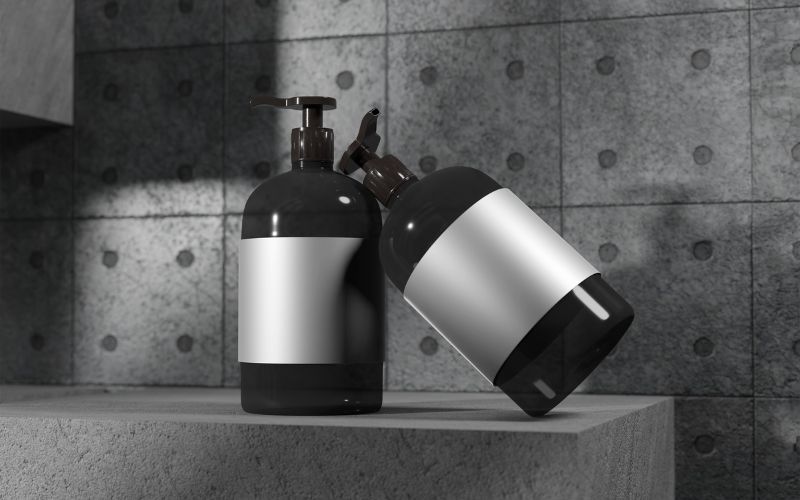
Key elements include:
- Block-like structures that put function first
- Labels with only essential product details
- Clean sans-serif fonts
- Rounded corners designed for comfort and ease of use
- Matte or lightly textured finishes
Pure Steel
Steel packaging is making a comeback in 2026 as brands look for materials that are both sustainable and strong.
More products on store shelves using pure steel containers instead of plastic or mixed materials.
Pure steel offers some real advantages for your packaging needs. It’s 100% recyclable and can be recycled endlessly without losing quality.
Steel also protects products better than many alternatives, keeping contents fresh and safe from light, air, and moisture.
Key benefits of pure steel packaging:
- Fully recyclable with no quality loss
- Strong protection against damage and contamination
- Long shelf life for products
- No harmful chemicals leaching into contents
- Works with magnetic sorting systems at recycling facilities
Somewang now use recycled steel content, which reduces the need for raw materials, cause now Gen Z customers appreciate the premium feel of steel packaging.
It looks and feels more substantial than lightweight alternatives. Steel containers can feature high-quality printing and finishes that make the products stand out.
Apothecary Aesthetic
The Apothecary Aesthetic brings back the look of old pharmacy bottles and medicine labels.
This trend works on beauty products now. The style borrows from scientific texts and vintage medicine cabinets to create a sense of careful craftsmanship. What makes this trend stand out:
- Organized layouts that use grids and symmetry
- Earthy colors like cream, brown, black, and green
- Classic typography with serif fonts that feel authoritative
- Botanical imagery from hand-drawn plants to ingredient photos
- Textured finishes like embossing or letterpress
This aesthetic helps the packaging feel both premium and practical. It suggests quality and expertise without looking overly modern or cold.
Wellness Minded
In 2026, cosmetics consumers are gravitating toward packaging that delivers tangible comfort and therapeutic appeal, rather than just functional or sales-driven messaging.
For them, unpacking a beauty product is no longer a routine step—it’s a small, intentional self-care ritual that nurtures mental and emotional wellness.
This shift demands packaging designs that prioritize sensory calm and visual serenity.
Tactile details matter too: matte, non-slip finishes that feel smooth against the skin, and easy-to-open, resealable lids that resolve the frustration of fumbling with stiff packaging.
Decor-able
Packaging that doubles as home decor is becoming a major trend in 2026.
The boxes, bottles, and containers designed to live on shelves long after the product is gone.
Gen Z shoppers don’t want to throw away beautiful packaging. They want to repurpose it as desk organizers, plant holders, or display pieces.
Popular decor-able packaging features include:
- Reusable glass or ceramic containers
- Artwork or patterns worth displaying
- Functional shapes that serve a second purpose
- Neutral colors that match home decor
- Removable labels for a cleaner look
Lightweight and Large Capacity Packaging
Somewang sees that brands are working to do more with less when it comes to packaging materials.
More companies are using thinner plastics, lighter glass, and reduced cardboard thickness in 2026.
This trend helps you cut shipping costs while lowering your carbon footprint. Lighter packages mean trucks can carry more products per trip.
Key benefits of lightweight packaging include:
- Lower transportation costs
- Reduced material expenses
- Smaller environmental impact
- Easier handling for workers and customers
Meanwhile, large capacity designs let the customers package more product in the same footprint. Think of concentrated detergents or refill pouches that hold the same amount as multiple bottles.
Single-Material Simplification
Recycling works best when packaging uses just one material.
When you design with a single substrate, your packaging moves smoothly through recycling systems without requiring complex sorting or separation.
In 2026, brands are moving away from multi-layer packaging that combines different plastics, metals, and papers.
Instead, they’re choosing mono-material solutions that are easier to recycle and better for the environment.
All-aluminum systems are gaining popularity in beauty and beverage packaging.
These replace mixed components like plastic caps with metal clips, allowing the entire package to be recycled together.
Mono-PE laminates are replacing traditional multi-layer films.
These single-material flexible packages maintain product protection while being fully recyclable.
The benefits of single-material design include:
- Easier sorting at recycling facilities
- Lower production costs
- Reduced carbon footprint
- Better end-of-life outcomes
- Simplified manufacturing processes
Customize Cosmetic Packaging with Somewang
These 2026 cosmetic packaging trends aren’t just industry buzz—they’re actionable strategies to connect with consumers and stand out on shelves, and Somewang is your ideal partner to bring them to life.
As the observer and interpreter of these trends, we don’t just follow the market—we translate it into tailored solutions that align with your brand’s unique identity.
With strict quality control, flexible production capabilities, and a focus on translating trends into brand value, Somewang doesn’t just make packaging—we create the first touchpoint of your brand’s story. Partner with us to turn 2026’s most impactful trends into packaging that resonates, performs, and drives loyalty.